

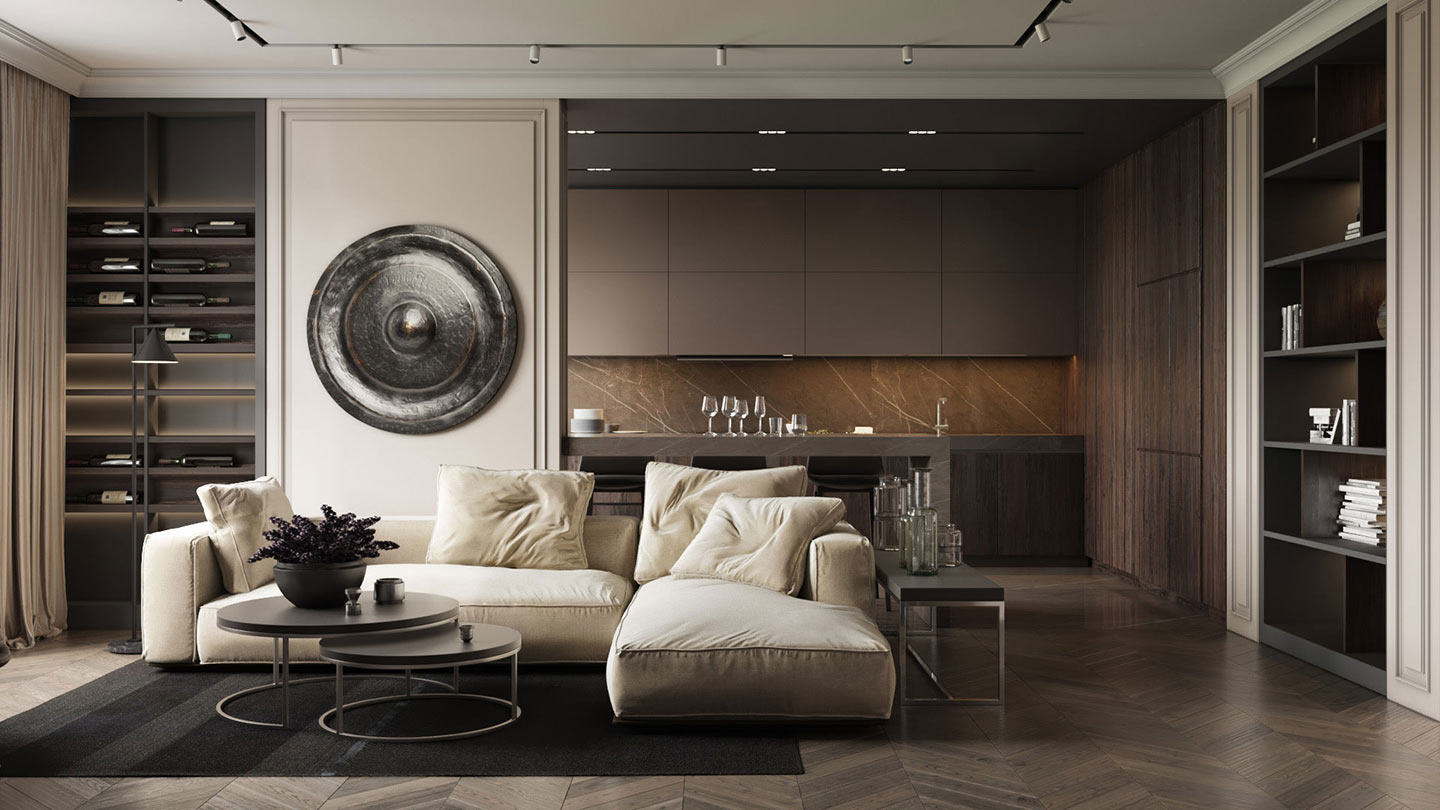


Hotel Interior Design: Creating Memorable Hospitality Experiences
Hotel interior design plays a major role in shaping the guest experience. From the moment a visitor enters the lobby to the time they settle into their room, every design decision influences how the property feels, functions, and is remembered.
A successful hotel interior should combine aesthetics, comfort, functionality, durability, and brand identity. Unlike residential interiors, hospitality spaces are used by many different people every day, which means design choices must be both visually appealing and practical.
At Poshh Designs, hotel interior design focuses on creating spaces that feel welcoming, distinctive, and professionally planned. Through thoughtful space planning, custom furniture, lighting, materials, and styling, hotels can create stronger experiences for their guests while also improving the functionality of their spaces.
Hotel Interior Design Company
Choosing the right hotel interior design company is essential for creating a successful hospitality project.
Hotels include many different areas, such as lobbies, guest rooms, restaurants, lounges, corridors, reception zones, meeting rooms, and outdoor spaces. Each of these areas has a different purpose, but they should still feel connected through a consistent design concept.
A professional hotel interior design company considers the entire guest journey. This includes the arrival experience, reception area, circulation, room comfort, furniture placement, lighting, storage, and even smaller details such as materials and decorative elements.
The hotel’s target audience should also influence the design. A boutique hotel may require a more distinctive and personalized atmosphere, while a business hotel may focus more on functionality, efficiency, and comfort.
Luxury hospitality projects often require a stronger focus on materials, craftsmanship, custom furniture, and visual identity.
At Poshh Designs, each hotel project can be developed around the character of the property and the expectations of its guests.
Hotel Interior Design Services
Professional hotel interior design services can cover every stage of a hospitality project.
The process often begins with concept development and space planning. This determines how each area will function and how guests will move throughout the property.
Once the layout is established, designers can begin developing the visual concept. This includes color palettes, furniture styles, lighting, wall finishes, flooring, fabrics, artwork, and decorative elements.
Furniture is particularly important in hotels because it must combine comfort with durability. Guest room beds, bedside tables, wardrobes, desks, chairs, sofas, reception counters, lounge seating, and restaurant furniture all need to support frequent use.
Custom-made furniture can be especially valuable because it allows each piece to be designed according to the dimensions and style of the property.
Lighting is another important part of hotel interior design. Different lighting zones can create different moods throughout the hotel. Reception areas may require stronger visual impact, while bedrooms need softer and more comfortable lighting.
A complete hotel interior design service can help maintain consistency across all these areas.
Hospitality Interior Design Tanzania
Hospitality interior design in Tanzania is becoming increasingly important as hotels, lodges, resorts, serviced apartments, and boutique properties compete to offer stronger guest experiences.
A professionally designed hospitality property can help create a more memorable identity and improve the overall perception of the hotel.
Tanzania also offers unique opportunities for combining modern interior design with local character. Natural materials, warm textures, handcrafted elements, wood, stone, woven details, and carefully selected artwork can create interiors that feel both contemporary and connected to the region.
This does not mean that every hospitality space should use the same design language. Instead, the design should reflect the brand, location, and target audience of the property.
Urban hotels in Tanzania may require a more contemporary and polished style, while resort or lodge interiors may benefit from a warmer and more natural approach.
Professional hospitality interior design can help create the right balance between international design standards and local identity.
Hotel Interior Design Dar es Salaam
Dar es Salaam has a strong hospitality market that includes business hotels, boutique hotels, serviced apartments, restaurants, resorts, and luxury accommodation.
Hotel interior design in Dar es Salaam should consider both the competitive market and the expectations of local and international guests.
The entrance and lobby are especially important because they create the first impression of the hotel. A well-designed lobby can communicate quality, comfort, and brand identity immediately.
Reception desks should be both practical and visually appealing. Seating areas should be comfortable and arranged in a way that encourages natural movement.
Guest rooms should focus on relaxation and functionality. Beds, lighting, wardrobes, desks, storage, seating, and bathroom layouts should all work together efficiently.
For hotels in Dar es Salaam, interior design can also help create a stronger sense of place. Selected materials, artwork, textures, and design details can help the property feel unique rather than generic.
Designing a Strong Hotel Lobby
The hotel lobby is one of the most important areas in any hospitality project.
It is often the first and last space guests experience, which makes it a major part of the brand image.
A strong lobby design should feel welcoming without becoming overcrowded. Furniture placement should allow guests to move easily while also providing comfortable waiting and lounge areas.
Statement lighting can help create a strong visual focal point. Decorative wall finishes, artwork, plants, rugs, and furniture can also contribute to the overall atmosphere.
The reception area should be easy to locate while still fitting naturally into the design.
In larger hotels, the lobby may also include cafes, lounge areas, business spaces, or informal meeting zones. These areas should be designed so that they feel connected while still serving different functions.
Guest Room Interior Design
Guest rooms are one of the most important elements of hotel interior design because they directly influence comfort and satisfaction.
A successful guest room should feel calm, organized, and comfortable.
The bed is usually the main focal point, so its positioning, headboard, lighting, and surrounding furniture should be carefully planned.
Storage is also important. Guests need practical areas for clothing, luggage, personal items, and electronic devices.
Bedside lighting, charging points, desks, mirrors, and seating should be positioned according to how guests actually use the room.
Color palettes are often kept balanced and calming. Neutral tones can create a timeless base, while stronger accents can help express the hotel’s brand identity.
Materials should also be durable enough to handle frequent use while still maintaining a premium appearance.
Restaurant and Lounge Interior Design
Hotel restaurants and lounges require a different design approach from guest rooms.
These areas are often more social and energetic, so the interior can use stronger colors, textures, lighting, and furniture.
Restaurant layouts should consider both guest comfort and staff movement. Tables need enough space between them, while service routes should remain efficient.
Lighting is especially important in dining environments. Softer lighting can create a more relaxed atmosphere in the evening, while brighter natural light may work well during breakfast or daytime service.
Lounge areas can include different seating arrangements to support casual meetings, social gatherings, or relaxation.
Custom furniture can help create a more unique and branded atmosphere.
Custom Furniture for Hotels
Custom furniture can significantly improve the quality and consistency of a hotel interior.
Standard furniture may not always fit the dimensions or design concept of the property. Custom-made pieces provide greater control over size, materials, finishes, colors, and functionality.
Hotel furniture can include beds, headboards, bedside tables, wardrobes, desks, sofas, armchairs, reception counters, restaurant tables, shelving units, and storage solutions.
Custom furniture can also help maximize space, especially in guest rooms where every square meter needs to be used efficiently.
Using a consistent furniture design language across different areas can strengthen the identity of the hotel.
Choosing Materials for Hospitality Interiors
Material selection is extremely important in hotel interior design.
Hospitality spaces require materials that are visually appealing, durable, easy to maintain, and suitable for frequent use.
Flooring should be selected according to traffic levels and maintenance requirements. Upholstery fabrics should be comfortable but also resistant to wear.
Wall finishes should create visual interest while remaining practical.
Wood, stone, glass, metal, textiles, and decorative surfaces can all be used to create depth and character.
The best hospitality interiors use materials strategically rather than excessively.
Why Choose Poshh Designs for Hotel Interior Design?
Hotel design requires coordination between aesthetics, functionality, furniture, lighting, materials, and guest experience.
Working with a professional interior design team can help ensure that all these elements are developed as part of one cohesive concept.
Poshh Designs provides interior design and furniture solutions that can support hospitality projects from concept development to final implementation.
The focus is on creating spaces that are functional, refined, visually consistent, and aligned with the identity of the property.
For clients looking for hotel interior design in Tanzania or hotel interior design in Dar es Salaam, professional design can help strengthen the hotel’s image and create a more memorable guest experience.
A successful hotel interior should do more than look beautiful. It should make guests feel comfortable, support smooth operations, and create a strong impression that encourages them to return.
